Film scary face is not nearly leap scares; it is a meticulously crafted artwork kind. It is the silent scream, the widening eyes, the contorted grimace that grips audiences, forcing them to confront the primal emotion of worry. Delving deep into the cinematic world, we’ll dissect the anatomy of those faces, uncovering the strategies administrators use to conjure terror, and inspecting how context and historical past form our reactions.
We’ll peel again the layers of make-up, particular results, and performing prowess to disclose the advanced interaction of things that make these moments so unforgettable.
From the delicate shift in a personality’s expression to the full-blown, bloodcurdling visage, the “film scary face” is a cornerstone of the horror style. The exploration goes past mere fright, probing how these faces talk extra than simply terror – shock, disgust, even a perverse form of pleasure. The next sections will information you thru the intricate methods filmmakers use these expressions to construct suspense, develop characters, and go away a permanent mark on cinematic historical past.
How can we categorize the assorted emotional expressions captured in a ‘film scary face’
The ‘film scary face’ is a strong visible device, a cinematic shorthand that immediately communicates dread, terror, and the presence of hazard. Understanding how these expressions are constructed and interpreted is essential for each filmmakers and audiences. This includes dissecting the intricate interaction of facial muscle tissues, the context of the scene, and the psychological impression on the viewer. Categorizing these expressions permits for a deeper appreciation of the artistry of horror and suspense, and the efficient use of non-verbal communication.
Facial Expressions in Horror: A Detailed Breakdown
The human face is a canvas for a posh array of feelings, and worry, in its numerous types, manifests by particular muscle actions. Analyzing these actions supplies perception into the nuances of terror depicted in movie.The next are examples of facial expressions seen in scary film faces, together with the muscle tissues concerned and the feelings they characterize:
- Concern: The basic worry expression includes the elevating of the eyebrows, usually with the inside brows drawn upwards and collectively. This motion is primarily managed by the frontalis muscle (elevating the eyebrows), the corrugator supercilii (drawing the eyebrows collectively), and the orbicularis oculi (tightening the eyelids). The eyes widen, exposing extra of the sclera (the white a part of the attention).
The mouth could also be open or barely stretched horizontally.
- Shock/Startle: Usually previous worry, shock includes raised eyebrows, widened eyes, and a dropped jaw. The frontalis and orbicularis oculi are key right here. The jaw is relaxed, usually managed by the masseter and temporalis muscle tissues. This expression signifies an surprising occasion, which rapidly transitions into worry when the risk is perceived.
- Disgust: Disgust usually accompanies worry, particularly when the supply of the worry is perceived as revolting. The nostril could also be wrinkled, the higher lip raised (the levator labii superioris muscle), and the eyebrows could also be lowered or furrowed (the corrugator supercilii and procerus muscle tissues). The mouth could also be narrowed or barely open.
- Ache/Agony: This expression includes a contorted face, with furrowed brows, tightly closed eyes, and a clenched jaw. The corrugator supercilii and procerus muscle tissues are extremely lively, together with the orbicularis oculi. The mouth is likely to be open in a scream, or tightly shut, reflecting intense bodily or emotional struggling.
- Panic: Panic is characterised by a mix of worry and nervousness. The eyes are huge, the mouth could also be open and gasping, and the pores and skin may seem pale or flushed. The facial muscle tissues are in a state of heightened stress.
- The “Unhinged” Expression: Usually seen in characters who’re shedding their sanity, this includes a mix of the above, usually exaggerated and distorted. The facial muscle tissues may twitch uncontrollably, and the eyes could dart round. The mouth could also be twisted right into a grotesque smile or grimace.
Strategies for Classifying Scary Face Expressions
Categorizing these expressions enhances the understanding of how filmmakers craft and ship horror. A number of strategies exist for classifying these advanced expressions.
- By Depth: This methodology includes score the expression on a scale, from gentle apprehension to excessive terror. This may be based mostly on the diploma of muscle activation, the width of the eyes, and the presence of particular options just like the furrowing of the forehead. For instance, a slight widening of the eyes may point out unease, whereas a full-blown scream and contorted face would characterize most terror.
- By Sort of Concern: Classifying expressions based mostly on the particular kind of worry being conveyed can also be potential. This might embody worry of the unknown, worry of bodily hurt, worry of loss, or worry of the supernatural. Every kind of worry can manifest in another way on the face. As an example, worry of the unknown is likely to be characterised by huge eyes and a barely open mouth, whereas worry of bodily hurt may contain a grimace and clenched jaw.
- By Set off: This methodology classifies expressions based mostly on the particular occasion or stimulus that provokes the response. This might embody a sudden leap scare, the looks of a monster, the invention of a ugly scene, or the anticipation of hazard. Understanding the set off helps to research the effectiveness of the scene in producing the specified emotional response. As an example, a fast leap scare may elicit a startle response (raised eyebrows, widened eyes), adopted by worry.
Evaluating and Contrasting Film Scary Faces
Analyzing the scary faces from totally different movies can illuminate how administrators and actors make the most of facial expressions to evoke worry. The next desk compares three examples.
| Movie | Character/Scene | Facial Options | Context | Impression on Viewers |
|---|---|---|---|---|
| The Exorcist (1973) | Regan MacNeil throughout possession | Initially, a childlike face exhibiting confusion and a gradual shift to expressions of ache, anger, and in the end, demonic glee. The eyes grow to be bloodshot, the mouth twists into unnatural shapes, and the tooth are bared. | Regan’s physique is taken over by a demon. The facial expressions mirror the demon’s management and Regan’s struggling. The context includes non secular themes and a battle for the soul. | The viewers experiences a profound sense of unease and horror. The visible transformation of a kid right into a grotesque determine is deeply disturbing. The usage of sensible results and make-up amplifies the impression. The viewers is pressured to confront themes of innocence corrupted. |
| Psycho (1960) | Norman Bates’s transformation | The shift from a seemingly regular, barely nervous younger man to a face of pure, unadulterated terror and insanity. The eyes widen, the jaw drops, and the mouth types a distorted, open scream. | The climax of the movie, revealing Norman’s true id and the supply of the murders. The context includes a dysfunctional household and a troubled psyche. | The viewers is shocked and horrified by the sudden revelation. The facial expressions convey the depth of Norman’s psychological sickness and the brutality of his actions. The viewers is left with a way of dread and vulnerability. The viewers additionally experiences a level of sympathy for the character. |
| It (2017) | Pennywise the Dancing Clown | A spread of expressions, from a seemingly pleasant, inviting smile to a grotesque, teeth-baring grimace. The eyes shift from a playful glint to a menacing stare. The mouth usually stretches unnaturally huge. | Pennywise’s makes an attempt to lure and terrify kids. The context includes a supernatural entity preying on worry and childhood innocence. | The viewers experiences a mix of worry and revulsion. The distinction between Pennywise’s seemingly innocent look and his terrifying expressions creates a way of unease. The viewers is drawn right into a world the place childhood innocence is threatened. The usage of CGI and make-up enhances the impression of the expressions. |
What are the widespread strategies utilized by filmmakers to elicit a ‘film scary face’ from actors
The ‘film scary face’ is a potent visible device in horror cinema, a fleeting second that may linger within the viewer’s thoughts lengthy after the credit roll. Attaining this expression is not a matter of likelihood; it is the fruits of fastidiously orchestrated strategies employed by filmmakers to govern actors’ feelings and create a palpable sense of dread. Administrators make use of quite a lot of strategies, from delicate cues to immersive environments, to unlock the uncooked worry essential for a really terrifying efficiency.
Evoking Concern in Actors, Film scary face
Administrators make the most of a number of methods to domesticate worry inside actors. One widespread strategy includes offering particular cues. These cues can vary from verbal directions, like directing an actor to give attention to a particular reminiscence or think about a terrifying state of affairs, to bodily prompts, reminiscent of sudden loud noises or surprising actions. Technique performing, the place actors delve into their characters’ emotional lives, is often employed.
This may contain actors researching traumatic experiences or isolating themselves to imitate the character’s psychological state. Making a tense ambiance on set is one other essential approach. This may be achieved by dim lighting, unsettling soundscapes, and thoroughly chosen set designs that evoke a sense of unease. As an example, the director may deliberately preserve a cold temperature on set or use particular scents to set off a way of discomfort and vulnerability within the actors.
The purpose is to make the actor consider, even momentarily, that they’re in peril, triggering the physique’s pure fight-or-flight response. The effectiveness of those strategies usually relies on the director’s means to construct belief and rapport with the actors, fostering an atmosphere the place vulnerability and emotional exploration are inspired.
Enhancing Impression Via Visible Storytelling
The visible components of a movie play a vital function in amplifying the impression of a ‘film scary face’. Lighting, digicam angles, and modifying work in live performance to govern the viewers’s notion and heighten the sense of worry. Low-key lighting, characterised by deep shadows and stark contrasts, is often used to obscure particulars and create a way of thriller and suspense.
Take into account the long-lasting bathe scene in Alfred Hitchcock’s
- Psycho*, the place the interaction of sunshine and shadow, mixed with fast modifying, amplifies the phobia of the assault. Digital camera angles will also be strategically employed to disorient the viewer and create a sense of vulnerability. A low-angle shot, trying up at a personality, could make them seem menacing, whereas a high-angle shot could make them appear small and helpless.
The usage of close-ups, specializing in the actor’s face, permits the viewers to intimately witness their emotional transformation. The fast cuts and jarring transitions in movies like
- The Exorcist* are designed to shock the viewer and disorient them, making the moments of terror much more impactful. The deliberate use of those strategies transforms a easy expression into a strong narrative device.
Strategies for Portraying Concern
Actors themselves make use of numerous strategies to embody a convincing ‘film scary face’. These strategies contain each bodily and psychological preparation to completely immerse themselves within the function and convey real worry.
-
Bodily Preparation: Actors usually start by finding out the bodily manifestations of worry. They analysis how the physique reacts to emphasize, observing adjustments in facial expressions, respiratory patterns, and posture.
For instance, an actor getting ready for a scene may follow hyperventilating to realize a glance of panic or tense their muscle tissues to create a way of vulnerability.They could additionally watch movies of individuals experiencing real worry to research the delicate cues that point out misery.
-
Psychological Preparation: Actors delve into the character’s psychological state, exploring their fears, anxieties, and vulnerabilities. This may contain researching the character’s backstory, motivations, and relationships to know what scares them.
A superb instance is the preparation Daniel Day-Lewis undertook for his function in
-My Left Foot*, the place he immersed himself within the character’s bodily limitations and emotional struggles. -
Sensory Deprivation: Some actors make use of sensory deprivation strategies to intensify their vulnerability. This may contain sporting blindfolds or earplugs to restrict their senses, creating a sense of isolation and disorientation.
This system is very efficient in scenes the place the character is misplaced, trapped, or in an unfamiliar atmosphere. -
Creativeness and Visualization: Actors make the most of their creativeness to visualise terrifying situations. They could give attention to a particular worry, reminiscent of being chased or dealing with a cherished one in peril.
They could mentally rehearse the scene, imagining the sounds, smells, and bodily sensations related to the scenario.The extra vivid the visualization, the extra genuine the expression of worry.
-
Emotional Recall: Actors could draw upon their very own previous experiences to entry a reservoir of emotional responses. This includes recalling moments of intense worry, nervousness, or trauma.
This system permits them to faucet into real feelings, making their portrayal of worry extra plausible and relatable.It is a methodology that requires cautious consideration and steerage to make sure the actor’s emotional well-being.
How does the context of a scene affect the interpretation of a ‘film scary face’
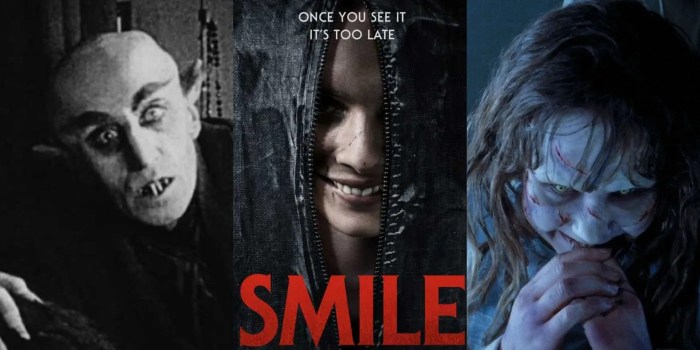
The chilling effectiveness of a ‘film scary face’ is not solely depending on the actor’s expression; it is intricately woven into the material of the scene itself. The atmosphere, auditory components, and spoken phrases act as potent amplifiers, shaping how the viewers perceives and reacts to that second of terror. The encompassing context dictates the emotional weight carried by the facial features, reworking a easy grimace right into a harbinger of dread.
Setting, Music, and Dialogue: A Symphony of Suspense
The setting performs a vital function in framing a ‘film scary face’. Take into account the basic haunted home trope. A dimly lit, decaying mansion, with shadows dancing throughout dusty furnishings, instantly units a tone of unease. The actor’s face, contorted in worry, turns into a pure extension of this atmosphere. As an example, in “The Haunting” (1963), the imposing Hill Home, with its unsettling structure and unexplained phenomena, heightened the impression of the characters’ expressions of terror.
The setting alone contributed considerably to the general sense of dread.Music is one other important ingredient. A sudden crescendo of strings, a dissonant chord, or a low, rumbling drone can sign impending hazard. The music acts as a visceral cue, priming the viewers to anticipate a daunting second. In “Psycho” (1960), Bernard Herrmann’s iconic rating, particularly in the course of the bathe scene, amplified the horror, making the actress’s terrified expression much more impactful.
The staccato strings created an environment of pure terror, amplifying the visible horror.Dialogue can subtly or overtly contribute to the scene’s stress. A whispered risk, a determined plea, or a cryptic warning can present context and foreshadow the actor’s worry. The dialogue explains the supply of the risk. In “The Exorcist” (1973), the dialogue between the priest and the possessed Regan, crammed with blasphemy and threats, added layers of psychological horror, intensifying the impression of Linda Blair’s demonic expressions.
The phrases, mixed with the visuals, created a multi-sensory expertise of terror.
Style-Particular Nuances of Concern
The style of the movie profoundly influences the interpretation of a ‘film scary face’. A ‘film scary face’ in a slasher movie differs vastly from one in a psychological horror. In slasher movies, the worry is usually instant, visceral, and tied to bodily threats. The expression is likely to be a scream of terror, a glance of shock as a blade descends, or a contorted face reflecting bodily ache.
Examples embody the “Scream” (1996) franchise, which relied on the reactions of its characters to ugly violence to evoke terror.Psychological horror, however, offers with inside fears, paranoia, and the unraveling of the thoughts. The ‘film scary face’ is likely to be extra delicate, a flicker of doubt, a gradual descent into insanity, or a glance of profound despair. Consider “The Shining” (1980), the place Jack Nicholson’s gradual transformation, mirrored in his more and more erratic expressions, instilled a chilling sense of dread, relatively than simply instant terror.Supernatural horror usually combines each bodily and psychological components.
The chilling imagery of a film scary face usually lingers, a testomony to efficient filmmaking. However what about the way forward for cinema experiences? Think about anticipating the newest horror flick at vue cinema stroud 2026 , maybe much more terrifying than the on-screen frights, but an exciting prospect. This mix of anticipation and worry solely provides to the attract of the film scary face.
The ‘film scary face’ can mirror a confrontation with the unknown, a battle towards demonic forces, or the overwhelming sense of dread related to the paranormal. Movies like “The Babadook” (2014) showcase a mix of psychological and supernatural components, creating a singular kind of worry. The actress’s expressions mirrored each the emotional toll and the otherworldly risk.
Viewers Background and Response
The viewers’s background profoundly impacts their response to a ‘film scary face’. Cultural influences, private experiences, and particular person sensitivities all contribute to how a viewer interprets and internalizes the worry conveyed on display.Listed here are a number of elements:
- Cultural Background: Completely different cultures have various sensitivities to particular varieties of horror. What terrifies one tradition may not have an effect on one other. For instance, some cultures are extra vulnerable to the worry of the unknown.
- Private Experiences: People who’ve skilled trauma or particular phobias could react extra intensely to sure scenes.
- Age and Maturity: Youthful audiences could also be extra simply frightened than older, extra skilled viewers.
- Non secular Beliefs: Non secular beliefs can form reactions to supernatural horror, with believers doubtlessly being extra affected.
- Prior Publicity to Horror: Viewers accustomed to horror movies is likely to be much less simply scared than these new to the style.
- Persona Traits: People with greater ranges of hysteria or neuroticism could expertise extra intense reactions.
- Empathy and Identification: The power to empathize with the characters can heighten the emotional impression of a ‘film scary face’.
What are among the historic shifts within the portrayal of the ‘film scary face’
The ‘film scary face’ has undergone a dramatic transformation, reflecting not solely developments in filmmaking expertise but additionally evolving societal anxieties and aesthetic preferences. From the early days of cinema to the current, the methods through which filmmakers have crafted and offered worry on the display have shifted considerably, making a dynamic interaction between approach, tradition, and viewers expectation. The evolution reveals how cinema, as a medium, has tailored to mirror and form our understanding of terror.
Evolution of the ‘film scary face’ throughout totally different eras of cinema
The portrayal of worry in cinema has mirrored the evolution of the medium itself. Silent movies, constrained by the dearth of sound, relied closely on exaggerated expressions and make-up to convey terror. Consider Lon Chaney’s grotesque transformations in movies like
- The Phantom of the Opera* (1925), the place elaborate make-up created really horrifying visages. The ‘film scary face’ was usually theatrical and symbolic, specializing in the visible spectacle of horror. Basic horror, rising within the Nineteen Thirties and 40s, introduced sound and a brand new stage of realism. Bela Lugosi’s Dracula and Boris Karloff’s Frankenstein’s Monster, whereas nonetheless reliant on make-up, benefited from the added dimension of voice, making a extra nuanced and psychologically impactful sense of dread.
The horror style additionally started to discover the psychological facets of worry. Trendy horror, beginning within the late Nineteen Sixties and persevering with to the current, embraced a extra visceral and infrequently graphic strategy. Technological developments, reminiscent of improved particular results and digital filmmaking, allowed for extra life like and terrifying depictions of violence and gore. Movies like
- The Exorcist* (1973) pushed the boundaries of what was acceptable on display, with a give attention to stunning imagery and psychological terror. Societal adjustments, together with the Vietnam Warfare and altering attitudes in direction of sexuality and violence, influenced the themes and content material of horror movies, resulting in a darker and extra cynical portrayal of the ‘film scary face’. The evolution exhibits how cinema has grow to be a mirror, reflecting society’s altering fears and anxieties.
Impression of Particular Results and Make-up on the ‘film scary face’
The evolution of particular results and make-up has revolutionized the ‘film scary face’, enabling filmmakers to create more and more terrifying and life like depictions of horror. Early strategies, reminiscent of stage make-up, relied on crude strategies to realize the specified impact. With the arrival of extra subtle supplies and strategies, reminiscent of prosthetics, animatronics, and digital results, filmmakers might create more and more ugly and convincing transformations.
The long-lasting make-up designs in movies like
- An American Werewolf in London* (1981), the place Rick Baker’s groundbreaking transformation sequences set a brand new customary for creature results, reveal this development. The usage of sensible results, reminiscent of elaborate gore results in movies like
- Evil Useless 2* (1987), created a visceral impression that was beforehand unattainable. Digital results additional enhanced these capabilities, permitting for the creation of seamless and terrifying creatures and transformations. The
- Noticed* franchise, for instance, makes use of digital results to create elaborate traps and ugly accidents. The impression of those developments is plain; particular results and make-up have grow to be integral to the language of horror, permitting filmmakers to discover new ranges of terror and create photos that stay etched within the viewers’s reminiscence lengthy after the credit roll. The ‘film scary face’ has been completely altered, evolving from theatrical representations to actually disturbing and life like portrayals.
Censorship has considerably influenced the depth and depiction of the ‘film scary face’. The Hays Code, enforced from the Nineteen Thirties to the Nineteen Sixties, severely restricted the varieties of violence and horror that might be proven on display. Movies had been usually pressured to depend on suggestion and implication relatively than specific gore. Evolving viewers sensibilities have additionally formed the ‘film scary face’. What was as soon as thought-about stunning and terrifying can grow to be commonplace as society adapts. The graphic violence in fashionable horror movies, for instance, would have been unthinkable within the early days of cinema. Particular examples spotlight these challenges. Movies like
- Psycho* (1960) and
- The Texas Chain Noticed Bloodbath* (1974) confronted censorship points upon launch, with some scenes requiring edits or being banned altogether. These restrictions mirror the continued stress between creative expression and societal norms.
Can the ‘film scary face’ convey extra than simply worry
The ‘film scary face’ is not a one-dimensional expression; it is a versatile device that filmmakers wield to speak a spectrum of feelings far past easy worry. It is a advanced visible language, able to conveying psychological states, foreshadowing occasions, and enriching character improvement. This part explores how this seemingly easy expression might be nuanced and multi-layered.
Portrayal of Different Feelings
The ‘film scary face’ might be expertly manipulated to characterize quite a lot of feelings past worry, providing a richer viewing expertise. It usually serves as a canvas for expressing advanced and conflicting emotions.As an example:* Shock: A large-eyed, open-mouthed expression, usually related to worry, can even denote profound shock. InPsycho* (1960), the long-lasting bathe scene makes use of a variation of the ‘scary face’ on the sufferer, combining terror with the shock of the surprising assault.
The suddenness of the violence amplifies the emotional impression.* Disgust: The ‘scary face’ might be twisted into an expression of intense revulsion. Consider the grimaces inThe Factor* (1982) as characters notice the horrific nature of the alien entity. The contorted faces talk each worry of the unknown and utter disgust on the monstrous types.* Twisted Pleasure: In sure contexts, the ‘scary face’ might be contorted to indicate a warped, malicious glee.
The Joker fromThe Darkish Knight* (2008), for instance, often shows a terrifying grin that merges worry with a disturbing sense of enjoyment in chaos. This juxtaposition creates a chillingly unsettling impact.* Anticipation: A personality could exhibit a ‘scary face’ expression that exhibits the thrill of what’s to come back. As an example, in
Distress* (1990), Annie Wilkes’s expression can usually transition from a pleasant facade to a terrifying one among anticipation and pleasure.
Function in Character Growth
The ‘film scary face’ performs a pivotal function in character improvement, providing a window into a personality’s inside turmoil and hidden motivations. It reveals vulnerabilities, inside conflicts, and the psychological depths of a personality.Take into account:* Revealing Internal Turmoil: A personality’s worry response, expressed by the ‘scary face,’ can expose their deepest insecurities. A seemingly sturdy protagonist could reveal their hidden fears by a fleeting expression of terror, making them extra relatable and human.* Exposing Hidden Motivations: A villain’s ‘scary face’ can trace at their true intentions.
A chilly, calculating gaze coupled with a barely perceptible grimace may point out a personality’s manipulative nature and ruthless ambition.* Highlighting Psychological Transformation: The evolution of a personality’s ‘scary face’ all through a movie can observe their psychological journey. A personality who begins the movie exhibiting worry may transition to anger, resilience, or perhaps a twisted type of energy, with every change mirrored of their facial expressions.
For instance, in
The Silence of the Lambs* (1991), Clarice Starling’s expressions evolve from preliminary worry to a hardened resolve as she confronts her personal demons and the horrors of the case.
The chilling photos of a film scary face can hang-out you lengthy after the credit roll. However when you’re on the lookout for a distinct form of thrill, maybe a cinematic expertise in a extra comfy setting, take into account visiting the vue kirkstall for a movie. After that, the acquainted frights of the film scary face may really feel rather less overwhelming, due to an excellent viewing expertise.
* Establishing Vulnerability: By exhibiting a personality’s worry, filmmakers can set up vulnerability. This makes the viewers extra invested within the character’s journey.
The chilling attract of a ‘film scary face’ usually stems from the unknown, leaving viewers unsettled lengthy after the credit roll. Paradoxically, the anticipation surrounding future releases, together with the excitement round potential grownup movies, generates its personal distinctive type of curiosity, with discussions and hypothesis continuously swirling, much like the curiosity in indian sexse movie 2026. This widespread consideration, whatever the topic, mirrors the charming energy of a really terrifying visage on display, the place worry and fascination converge.
Creating Suspense and Foreshadowing
The ‘film scary face’ is a potent device for producing suspense and foreshadowing impending occasions, successfully heightening the viewers’s anticipation and engagement. Its impression lies in its means to create a way of unease and trace on the unseen.The effectiveness might be demonstrated by:* Suspense: A personality’s sudden expression of worry, even with out a right away risk, can sign that one thing harmful is about to occur.
This creates suspense by retaining the viewers on edge, uncertain of what lurks across the nook. As an example, in
Jaws* (1975), the fleeting glimpses of worry on the faces of swimmers earlier than the shark assaults construct immense suspense.
* Foreshadowing: A ‘scary face’ can subtly trace at future occasions. A personality’s worry is likely to be triggered by a particular object or scenario, which later turns into a vital ingredient within the plot. The worry displayed acts as a warning signal.* Making a Sense of Dread: The anticipation of hazard, triggered by a ‘scary face’, might be extra horrifying than the hazard itself.
This can be a widespread approach in psychological thrillers, the place the viewers is stored guessing and anticipating the unknown.* Misdirection: Filmmakers could use a ‘scary face’ to create misdirection. A personality may react with worry to one thing seemingly innocuous, main the viewers to consider a risk exists the place it doesn’t, or vice versa. This will improve the ingredient of shock.
Ultimate Wrap-Up

The “film scary face” is not only a fleeting second; it is a highly effective device, a mirror reflecting our deepest anxieties and societal shifts. We have journeyed by the evolution of those expressions, from the silent period to the trendy age, exploring how expertise, censorship, and viewers expectations have formed them. Understanding the “film scary face” unlocks a deeper appreciation for the artwork of filmmaking, revealing the mastery behind crafting worry and the enduring energy of the human face to convey the darkest feelings.
As we conclude, keep in mind that the subsequent time you see a “film scary face”, you are witnessing not only a second of fright, however a fastidiously constructed piece of cinematic historical past.
FAQ Information
What’s the most typical muscle utilized in a ‘film scary face’?
The orbicularis oculi, chargeable for closing the eyelids, is often engaged, contributing to the widened-eye expression usually seen in worry.
How does sound design impression the effectiveness of a ‘film scary face’?
Sound design performs a vital function by amplifying the emotional impression. Sudden, jarring noises, or a suspenseful build-up of music can heighten the stress, making the ‘film scary face’ much more terrifying.
What’s the distinction between ‘film scary face’ in slasher and psychological horror movies?
In slasher movies, the ‘film scary face’ usually conveys instant bodily hazard and shock, whereas in psychological horror, it could mirror inside torment, insanity, or a gradual descent into terror.
How does an actor put together for a ‘film scary face’?
Actors use quite a lot of strategies, together with methodology performing to faucet into their very own fears, specializing in particular triggers, and training facial contortions to convincingly painting the emotion.
What’s the function of modifying in emphasizing a ‘film scary face’?
Modifying is essential to heightening impression. Fast cuts, close-ups on the face, and slow-motion sequences can amplify the depth and make the expression extra memorable.
